Async Coaching
Async Client Onboarding Workflow: The First 7 Days to Build Momentum
The first week determines whether an async coaching client succeeds or disappears. A step-by-step onboarding sequence that builds immediate trust and habit.
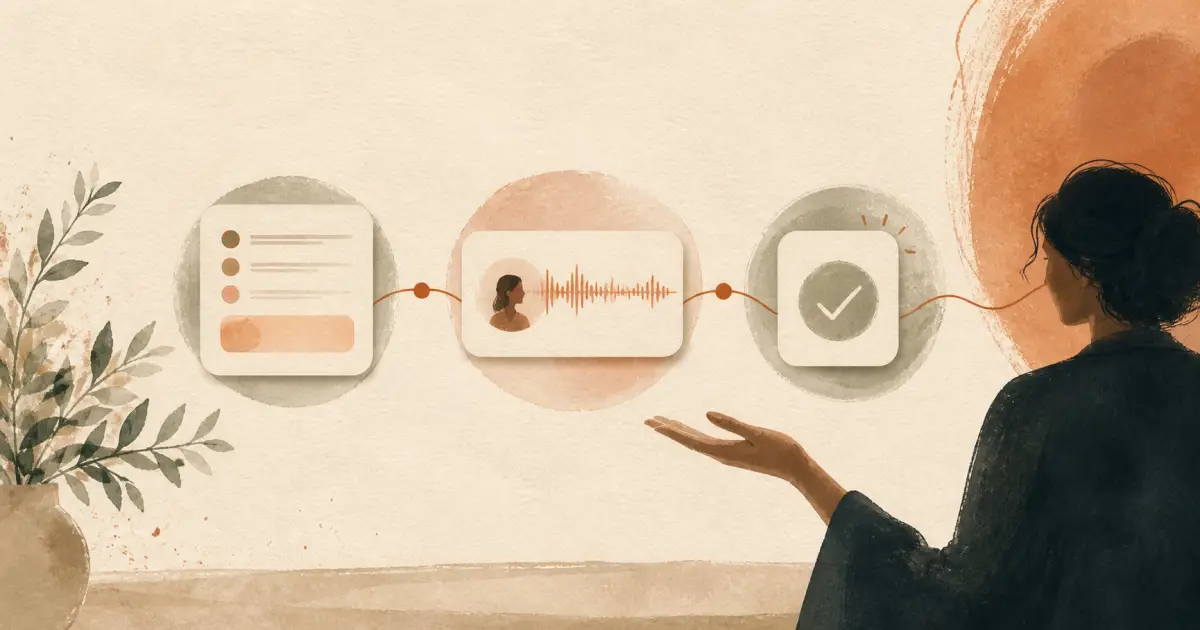
In synchronous coaching, onboarding happens naturally during the first 60-minute kickoff meeting. You shake hands virtually, ask diagnostic questions, clarify expectations, and establish rapport.
In asynchronous coaching, you do not have a live call to fall back on.
If a new client purchases your program and receives only a generic receipt and an empty dashboard, doubt creeps in immediately. They wonder how this works, when they will hear from you, and what they should do first.
A world-class asynchronous onboarding workflow removes this uncertainty within the first 7 days, turning initial enthusiasm into lasting momentum.
Day 1: The immediate orientation and intake form
The moment a client enrolls, their initial experience must accomplish two goals: explain the rules of engagement and capture their context.
Direct them immediately to a clean welcome page featuring:
- A short orientation video or audio note: Explain how async coaching works in practice, when you review submissions, and how to submit updates.
- A focused intake questionnaire: Ask for their current baseline, their 90-day target metric, and their primary roadblock.
- Their first micro-task: Give them one small action they can complete in under 15 minutes to secure an immediate win.
Do not overwhelm new clients with a 40-question survey. Keep it focused on the exact information needed to craft their first personalized recommendation.
Day 2: The personalized audio welcome
Within your published response window, send a custom 60-to-90 second audio note. If your normal promise is one or two business days, design the sequence around that promise rather than creating a faster exception for onboarding.
Mention them by name, reference a specific detail from their intake answers, and affirm their goal:
“Hi Alex, Samuel here. I just reviewed your intake form and your goal of landing three retainer clients by next month. Your current offer structure makes total sense, but we need to simplify your outreach first. I have unlocked your first milestone in your workspace. Go through the checklist and send your update by Thursday.”
This single voice message demonstrates genuine human presence and models the voice note coaching format you will use moving forward.
Days 3 to 5: The first milestone and check-in
The biggest drop-off in online education occurs between purchase and the first completed assignment.
Design the first milestone to be embarrassingly easy to finish. Whether it is auditing an existing workflow, writing a draft pitch, or tracking their daily habits, the goal is not mastery; the goal is activation.
On Day 4, if they have not submitted their first check-in, an automated reminder should gently prompt them:
“Alex, just checking in. How is that initial audit coming along? If you hit a roadblock, submit what you have so we can unlock your next step together.”
Day 7: The first review and momentum calibration
When the client submits their first structured check-in, deliver a thorough, encouraging review within your established response window.
Highlight what they did well, correct one critical blind spot, and assign the next clear objective. By Day 7, the client has experienced the entire loop: submission, reflection, expert feedback, and progress. The habit is formed.
Automation prepares, humans connect
The beauty of a modern async onboarding system is that technology handles logistics, reminders, and intake collection, while your time is spent exclusively on high-impact personal feedback.
When the first seven days are clear and personal, clients are more likely to understand the process, complete the first action, and return for the next review. Track activation, first-check-in completion, and early questions to improve this sequence over time.
Frequently asked questions
Why is onboarding critical in async coaching? +
Because without a scheduled kickoff call, a new client needs an immediate, frictionless path to their first action. A strong onboarding flow turns initial interest into early momentum and reduces confusion about what happens next.
What should be included in an async intake questionnaire? +
Keep it under 10 minutes to complete. Ask for their current starting baseline, their single most important 90-day outcome, the primary obstacle in their way, and their preferred check-in rhythm.
Should you send a personal voice welcome note to every new client? +
Yes. A 60-second personalized audio note confirming you reviewed their intake form establishes genuine human connection, proves you are paying attention, and sets a warm, conversational tone.